
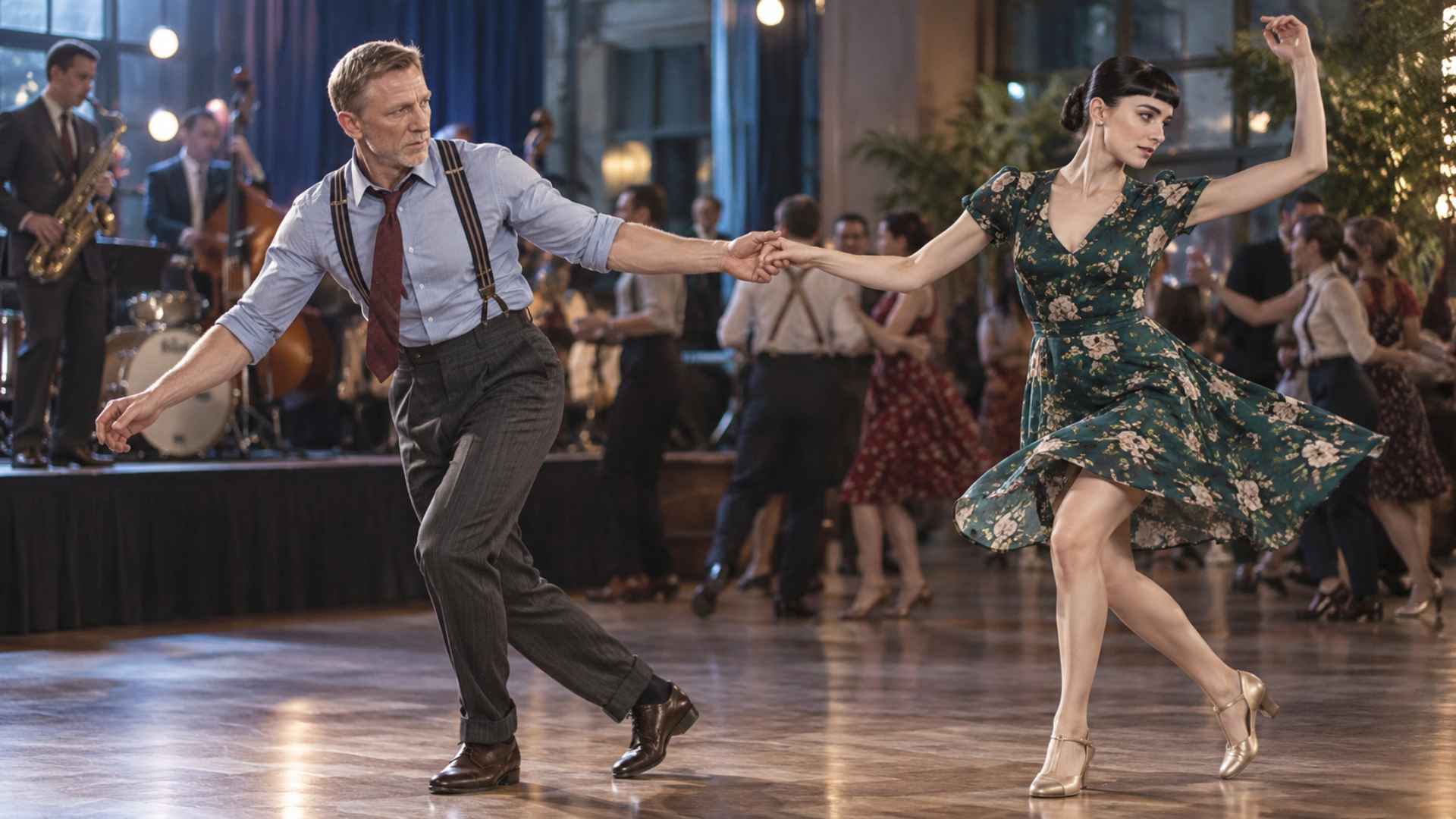
A great dance floor is more than a place where people gather to move. It is a space where music creates connections, personalities shine, and ordinary moments become unforgettable memories. Among the many dance styles that continue to captivate audiences, swing dancing stands out for its lively character, playful movements, and infectious energy. Its combination of rhythm, improvisation, and social interaction brings a unique atmosphere to parties, festivals, dance halls, and live music events. When the band strikes the first notes and dancers begin to respond, the entire room can transform into a celebration of movement and sound.
The lasting appeal of swing dancing comes from its ability to unite people through music without demanding perfection. Whether someone is stepping onto the dance floor for the first time or has spent years refining their footwork, swing offers opportunities to express individuality while connecting with others. The experience is built around shared rhythms, spontaneous creativity, and the simple pleasure of moving to a lively beat. As swing music continues to inspire new generations, its influence reaches beyond traditional dance halls, proving that authentic musical energy can bring any gathering to life.
The Timeless Appeal of Swing Dancing and Its Energetic Rhythm
Swing dancing developed alongside jazz music during the early twentieth century, becoming especially popular during the swing era of the 1930s and 1940s. Styles such as lindy hop, Charleston, and east coast swing emerged from vibrant musical and social communities, particularly within African American culture. These dances reflected the creativity, resilience, and cultural influence of the people who shaped them. Their lively steps, rhythmic changes, and opportunities for improvisation helped establish swing as more than entertainment. It became an expression of community and a defining part of American social dance history. Today, dancers continue to celebrate these traditions while adding contemporary influences that keep the style fresh and relevant.
One reason swing dancing remains popular is its remarkable balance between structure and freedom. Dancers can follow familiar patterns while responding naturally to changes in tempo, musical accents, and their partners’ movements. A simple basic step can develop into turns, kicks, playful footwork, or spontaneous variations that reflect the character of the music. This flexibility makes swing appealing to people with different experience levels and musical preferences. Unlike dance styles that emphasize strict choreography, social swing encourages participants to listen, communicate, and enjoy the moment. The result is an engaging experience in which every song offers a new opportunity to create something memorable together.
How Swing Music Transforms an Ordinary Dance Floor
Music plays an essential role in creating the distinctive atmosphere associated with swing dancing. Strong rhythmic foundations, expressive melodies, and energetic brass sections encourage dancers to respond with enthusiasm. Live bands can make this experience particularly exciting because musicians often interact with the audience and adjust their performances to the room’s energy. A lively drum pattern might inspire sharper footwork, while a playful saxophone solo can encourage dancers to experiment with their movements. Even recorded swing music can create an inviting atmosphere when the tempo, arrangement, and sound quality suit the event. When the music feels alive, the dance floor naturally becomes a place for shared excitement and creative expression.
Building Confidence Through Movement and Musical Connection
For beginners, swing dancing provides an enjoyable way to develop coordination, musical awareness, and confidence in social situations. Learning a few basic steps can make it easier to participate without feeling overwhelmed by complicated choreography. Regular practice gradually improves balance, timing, and the ability to respond to a partner. More importantly, swing encourages dancers to view mistakes as part of the experience rather than reasons to stop. A missed step can become a laugh, and an unexpected movement can lead to a playful new idea. This relaxed approach helps create an inclusive environment where people can improve their abilities while enjoying the process. Over time, the confidence gained on the dance floor can also encourage more open communication and greater comfort in social gatherings.
Lindy Hop Brings Creativity and Playfulness to Social Dancing
Lindy hop is one of the most recognizable swing dance styles, celebrated for its dynamic energy, expressive movement, and close connection to jazz. Its signature swing out creates opportunities for partners to move apart and reconnect through flowing patterns, while improvisation allows each dancer to contribute individual personality. Some dancers prefer smooth, controlled movements, while others enjoy energetic kicks, rhythmic variations, and playful musical accents. The style accommodates both approaches, making it especially attractive to people who value creativity. Lindy hop also encourages a strong sense of musical interpretation, helping dancers translate the mood of a song into movement. Its social character makes every dance different, creating an experience shaped by music, partnership, and spontaneous expression.
East Coast Swing Offers an Accessible Starting Point for Beginners
East coast swing is an approachable option for people who want to experience swing dancing without beginning with complex combinations. Its recognizable basic rhythm and relatively compact movements make it suitable for social events, parties, weddings, and beginner classes. New dancers can focus on timing, connection, and comfortable movement before gradually introducing turns and variations. Because the style works well with many upbeat songs, it can also help beginners recognize how rhythm influences their dancing. Experienced participants benefit from the same flexibility, using familiar patterns as a foundation for personal interpretation. This accessibility makes east coast swing a practical introduction to the wider swing dance community and an enjoyable way to build lasting confidence.
Charleston Adds Vintage Character and Energetic Footwork
Charleston brings a distinctive vintage personality to swing dancing through its lively kicks, quick steps, and rhythmic leg movements. Closely associated with the jazz culture of the 1920s, it remains popular in modern swing communities because of its playful appearance and adaptability. Dancers can perform Charleston steps independently or incorporate them into partner dancing, creating visual variety and energetic musical accents. The style can be adapted to different tempos, allowing beginners to start slowly before developing speed and precision. Its recognizable movements also make Charleston a popular feature at themed parties, retro events, and swing festivals. By combining historical character with contemporary creativity, Charleston helps keep the spirit of early jazz culture present on today’s dance floors.
Creating Memorable Events With Swing Dancing and Live Entertainment
Swing dancing can elevate an event by giving guests an engaging activity that encourages interaction rather than passive observation. Weddings, corporate celebrations, private parties, and community festivals can all benefit from the welcoming atmosphere created by upbeat music and social dancing. Organizers can make the experience more accessible by choosing music with varied tempos, arranging a short beginner friendly dance lesson, or inviting experienced dancers to demonstrate a few basic moves. Comfortable flooring, sufficient space, suitable lighting, and a well planned sound system also help guests feel confident enough to participate. When the setting supports both dancing and conversation, people with different backgrounds and abilities can enjoy the occasion together.
Successful swing inspired events focus on creating an atmosphere where participation feels natural. A live jazz ensemble, a carefully selected playlist, or a short performance can establish the mood, while opportunities for informal dancing allow guests to become part of the entertainment. Event planners should consider the audience, venue size, and overall schedule when deciding how prominently to feature swing music and dance activities. Offering different ways to participate ensures that even guests who prefer watching can appreciate the performance and energy. Ultimately, the enduring magic of swing lies in its ability to turn music into a shared experience. When the rhythm invites people to move, conversations become laughter, strangers become dance partners, and the dance floor becomes the heart of the celebration.