
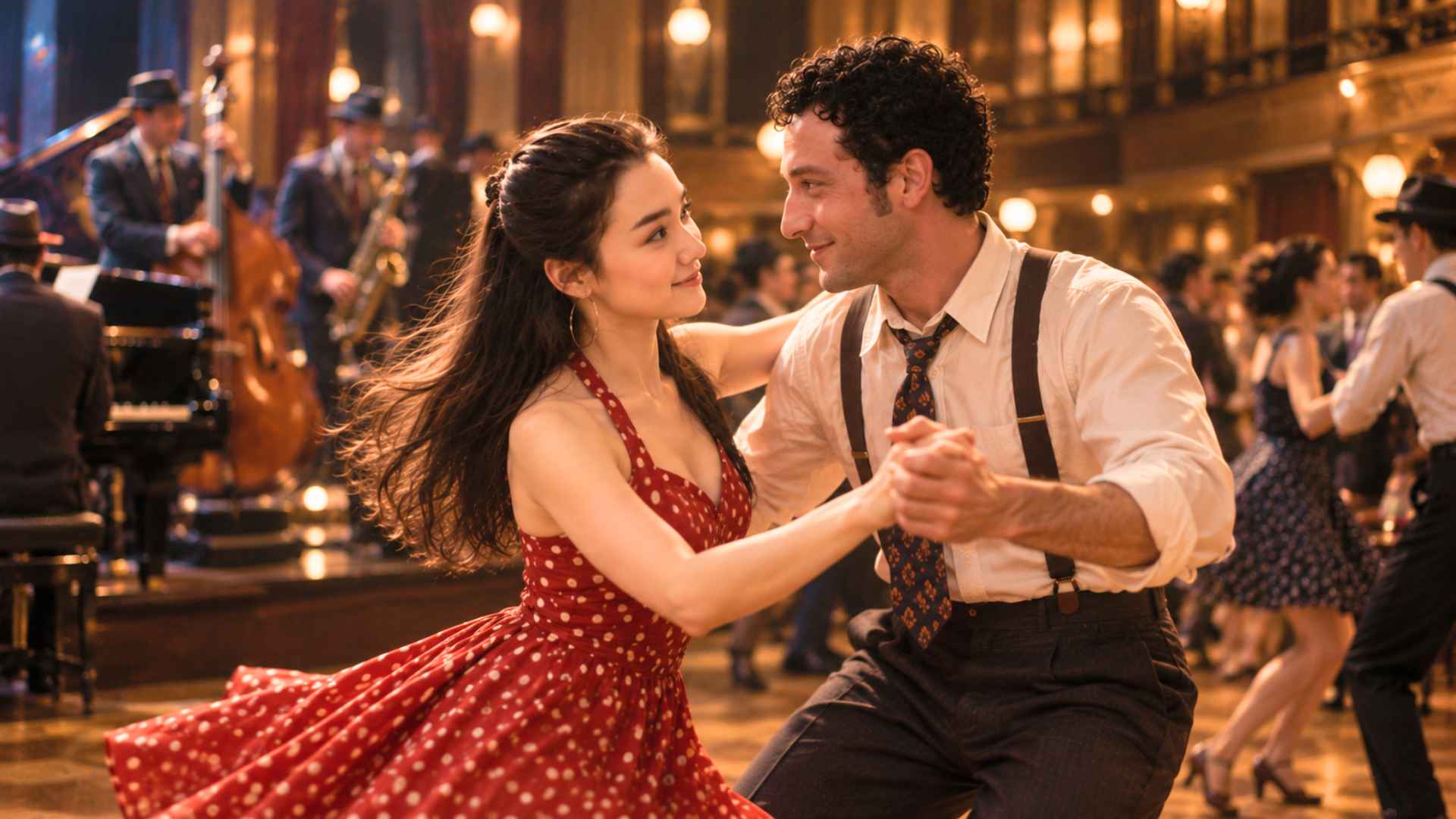
Music has the remarkable ability to connect generations, bringing people together through rhythm, movement, and shared experiences. Among the many musical styles that have shaped social dancing, swing continues to hold a special place in the hearts of dancers and music enthusiasts. Its lively rhythms, playful melodies, and infectious energy create an atmosphere that feels both nostalgic and refreshingly modern. From intimate dance studios to energetic social gatherings, this timeless genre continues to inspire people to move, connect, and celebrate the joy of music.
The lasting popularity of swing music reflects more than a fascination with the past. Modern audiences are increasingly drawn to experiences that encourage genuine interaction, creative expression, and a break from everyday routines. With its distinctive sound and welcoming dance culture, swing offers all three. Whether accompanied by a live jazz band or a carefully curated playlist, its vibrant character brings personality to contemporary dance floors. This enduring appeal demonstrates how a traditional musical style can remain relevant while adapting to changing tastes, venues, and lifestyles.
The Rich History Behind Swing Music’s Lasting Appeal
Swing music emerged as a major force in American popular culture during the 1930s and 1940s, becoming closely associated with big bands, jazz orchestration, and lively social dancing. Musicians such as Duke Ellington, Count Basie, and Benny Goodman helped shape its recognizable sound through sophisticated arrangements, powerful brass sections, and rhythmic patterns that encouraged spontaneous movement. Dance halls and ballrooms became important gathering places where people could enjoy live performances, socialize, and express themselves through dance. This combination of musical innovation and communal entertainment established swing as more than a passing trend.
Although musical fashions have changed considerably since its golden age, the foundations of swing remain influential. Its syncopated rhythms, conversational melodies, and balance between structure and improvisation continue to inspire musicians across jazz, pop, and contemporary dance music. The revival of swing dancing has also introduced younger audiences to classic recordings and traditional dance styles. Through festivals, workshops, and local dance communities, the genre maintains a living connection to its cultural roots. Rather than remaining confined to historical recordings, swing continues to evolve through the people who perform, teach, dance, and reinterpret it.
Why Swing Music Still Captivates Modern Dancers
One of the strongest reasons swing music remains popular is its ability to make dancing feel accessible and enjoyable. Its upbeat tempo encourages movement, while its rhythmic variations give dancers opportunities to experiment with footwork, turns, and playful partner interactions. Unlike dance styles that emphasize strict choreography, many forms of swing allow room for improvisation and personal interpretation. Beginners can start with simple steps, while experienced dancers can develop more intricate combinations over time. This flexibility makes swing suitable for a wide range of ages, skill levels, and musical preferences.
The Unique Rhythm That Defines Swing Dancing
The distinctive groove of swing music creates a sense of forward motion that is difficult to mistake for another genre. Its rhythmic bounce, syncopated accents, and dynamic phrasing encourage dancers to respond naturally to the music rather than simply follow a fixed sequence. A walking bass line can establish a steady foundation, while brass riffs, piano accents, and expressive drum patterns introduce moments of surprise. These musical details make every song feel like an opportunity for interpretation. As dancers become familiar with swing rhythms, they often develop a stronger sense of timing, musical awareness, and confidence on the dance floor.
The Connection Between Live Swing Bands and Social Dancing
Live performances add another dimension to the swing dancing experience. When musicians perform in the same room as their audience, changes in tempo, improvised solos, and spontaneous musical accents create an atmosphere that recorded playlists cannot always reproduce. Dancers can respond to the energy of the band, adjusting their movements to match the music’s intensity and phrasing. The interaction works both ways, as an enthusiastic dance floor can encourage musicians to deliver more expressive performances. This shared energy transforms an ordinary evening into a memorable social occasion, making live swing events attractive to both dedicated dancers and curious newcomers.
How Swing Dance Communities Welcome New Generations
Swing dance communities play an essential role in keeping the genre alive. Local clubs, beginner classes, weekend workshops, and international festivals create opportunities for people to meet others who share an interest in music and movement. Many communities emphasize inclusivity, encouraging participants to learn at their own pace and dance with different partners. Social media and online video platforms have further expanded access to tutorials, event announcements, and performances from around the world. As a result, people can develop an interest in swing music without needing a background in jazz or formal dance training. This welcoming environment helps transform individual curiosity into a lasting social hobby.
The Influence of Vintage Style on Contemporary Dance Culture
The visual character associated with swing also contributes to its modern appeal. Vintage-inspired clothing, classic hairstyles, polished shoes, and retro-themed venues can create a distinctive atmosphere without requiring participants to recreate the past completely. Some dancers embrace traditional fashion, while others prefer contemporary outfits that prioritize comfort and freedom of movement. This mixture of old and new allows swing culture to feel expressive rather than restrictive. Modern event organizers frequently combine vintage aesthetics with contemporary lighting, creative venues, and updated sound systems, demonstrating how historical inspiration can coexist with present-day entertainment trends.
Bringing Swing Music Into Today’s Dance Experiences
Incorporating swing music into modern dance settings offers event organizers, musicians, and dance enthusiasts an opportunity to create something memorable. Swing playlists can introduce variety to weddings, themed parties, corporate celebrations, and community events, especially when audiences want music that encourages participation rather than passive listening. A well-balanced selection might combine recognizable big-band classics with recordings from contemporary swing musicians. Adding a short beginner lesson or a demonstration by local dancers can make the experience more inviting for guests who have never tried the style. Thoughtful song selection, suitable dance space, and a welcoming atmosphere help ensure that swing music complements the event instead of feeling disconnected from its audience.
Technology has also made it easier for swing to reach listeners beyond traditional ballrooms. Streaming services, online communities, digital radio, and video platforms allow people to discover artists, revisit historic performances, and follow modern interpretations of the genre. At the same time, in-person dance events preserve the human connection that makes swing so distinctive. The combination of digital accessibility and face-to-face participation gives this musical tradition room to grow without losing its essential character. Ultimately, the enduring charm of swing music lies in its ability to unite rhythm, creativity, and community. As modern dance floors continue to welcome diverse musical influences, swing remains a joyful reminder that timeless rhythms can create meaningful experiences for every generation.