
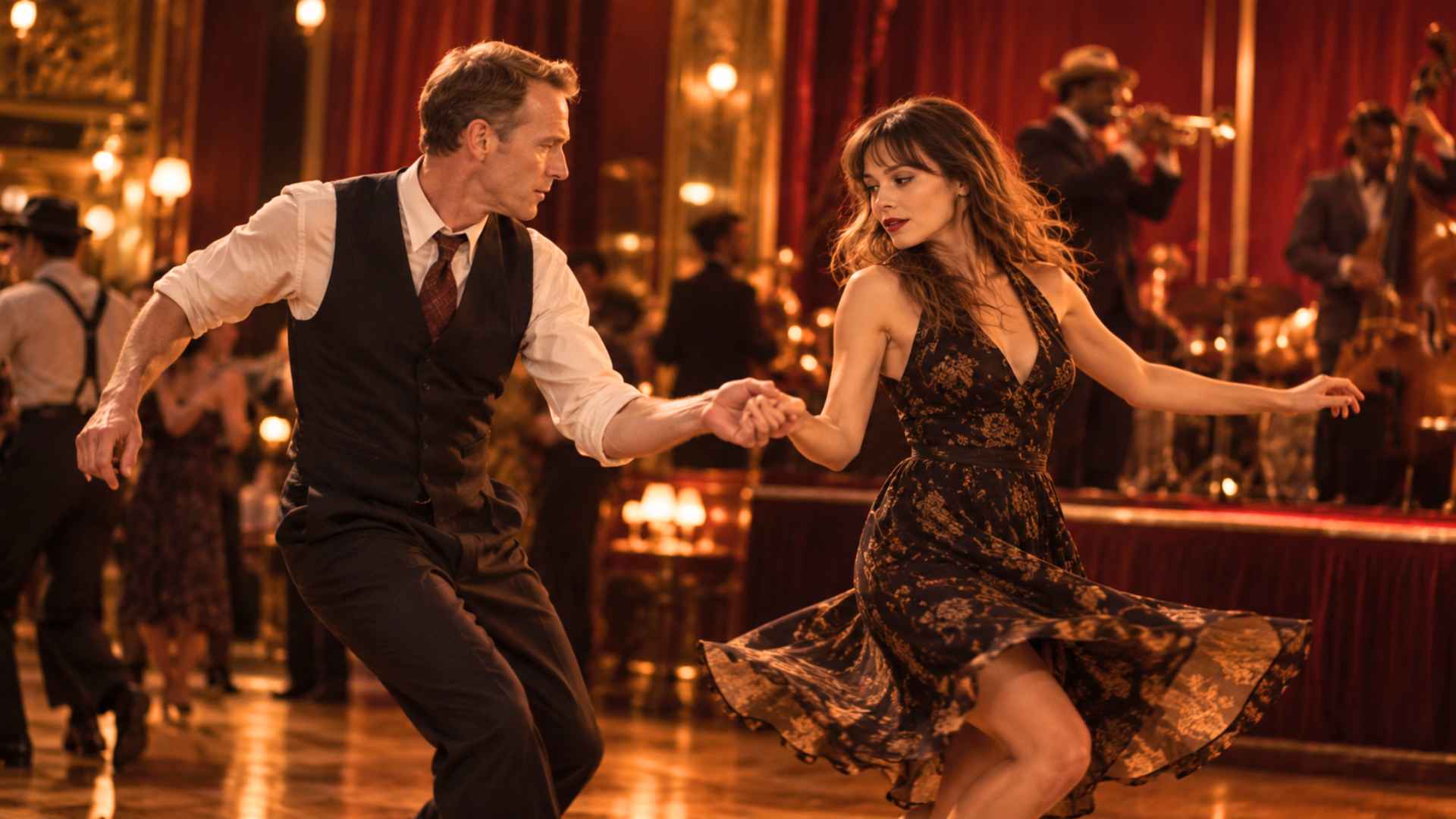
Music has a remarkable ability to bring people together, inspire emotions, and turn ordinary moments into unforgettable experiences. Throughout history, different dance styles have developed alongside musical traditions, creating unique ways for people to express themselves. Among these styles, swing dancing stands out for its lively movements, playful energy, and enduring appeal. It combines rhythm, creativity, and social interaction, making dancing an enjoyable activity for people of different ages and backgrounds. Whether performed in a crowded ballroom or a small community studio, this dance style celebrates the simple pleasure of moving in harmony with music.
Beyond its energetic appearance, swing dancing represents a cultural tradition that continues to connect generations. Its roots in jazz music and social gatherings have shaped a dance experience that values individuality, connection, and spontaneous expression. Unlike activities that require perfect technique from the beginning, swing dancing encourages participants to enjoy the process of movement while gradually developing their abilities. The combination of upbeat melodies, rhythmic footwork, and shared experiences makes it an inviting choice for anyone seeking a creative outlet. As modern lifestyles become increasingly fast paced, this timeless dance offers an opportunity to slow down, reconnect with others, and experience the happiness that music can bring.
The Rich History Behind Swing Dancing and Its Musical Roots
The story of swing dancing is closely connected to the development of jazz and swing music in the United States during the early twentieth century. As jazz musicians experimented with syncopated rhythms, energetic arrangements, and improvisation, dancers developed movements that reflected the music’s distinctive character. Harlem, New York, became an important center for this cultural movement, particularly during the 1920s and 1930s. Dance halls and social venues welcomed people who wanted to enjoy live performances and express themselves through movement. The lindy hop emerged as one of the most influential styles of this era, combining lively footwork, partnered movements, and opportunities for individual creativity.
During the swing era, big bands and talented musicians helped bring this dance culture to a wider audience. Performers such as Duke Ellington, Count Basie, and Benny Goodman contributed to the popularity of swing music, inspiring dancers to fill ballrooms with energetic performances. Over time, different regional styles developed, including east coast swing, west coast swing, and collegiate shag, each offering distinctive rhythms and movement patterns. Although these styles differ in technique and musical interpretation, they share a common appreciation for rhythm, improvisation, and social connection. Today, swing dancing continues to honor its historical foundations while welcoming new influences from contemporary music and modern dance communities.
Why Swing Dancing Continues to Bring People Together
One of the most appealing aspects of swing dancing is its ability to create meaningful connections between people. Partner dancing encourages communication through movement, timing, and subtle physical signals, allowing dancers to cooperate without relying entirely on spoken words. Social dance events often welcome participants with different experience levels, creating an atmosphere where beginners can learn alongside experienced dancers. The friendly environment makes it easier to meet new people, build confidence, and participate in a shared activity. Even when partners have never danced together before, the music provides a common foundation for creating an enjoyable experience. These spontaneous interactions help explain why swing dancing remains popular among communities that value friendship, inclusivity, and creative expression.
The Physical and Emotional Benefits of Dancing to Music
Swing dancing offers more than entertainment because it combines physical activity with emotional engagement. The continuous movement can support cardiovascular fitness, coordination, balance, and muscular endurance, depending on the intensity and duration of each session. Learning steps and responding to musical changes also encourages concentration and body awareness. At the same time, dancing to upbeat music can help people release tension and temporarily shift their attention away from everyday responsibilities. The social environment may further support emotional well-being by reducing feelings of isolation and creating opportunities for positive interaction. Although individual experiences vary, regular dancing can become a rewarding part of a balanced lifestyle that supports movement, enjoyment, and personal connection.
Building Confidence Through Rhythm and Movement
Confidence often develops naturally as dancers become more comfortable with basic steps and musical timing. Beginners may initially worry about making mistakes, forgetting patterns, or appearing inexperienced in front of others. However, swing dancing encourages experimentation rather than perfection, allowing participants to improve through practice and enjoyable social experiences. Small achievements, such as completing a basic pattern or responding successfully to a partner’s movement, can create a sense of progress. As familiarity grows, dancers often become more willing to improvise, express their personalities, and participate in social events. This gradual development makes swing dancing an approachable activity for people who want to challenge themselves while maintaining a relaxed and playful attitude.
Finding Musical Expression Through Different Swing Styles
The variety of swing dance styles gives dancers numerous opportunities to connect with music in their own way. Lindy hop is known for its energetic character, dynamic partner connection, and expressive movements that suit traditional swing rhythms. East coast swing often appeals to beginners because its basic patterns can be relatively easy to follow, while west coast swing offers a more adaptable approach that works with a broad range of musical genres. Collegiate shag provides another option for dancers who enjoy fast tempos and lively footwork. Each style creates a different relationship between movement and sound, encouraging participants to listen carefully and respond creatively. Trying different forms of swing dancing can keep the experience fresh while helping dancers develop a deeper appreciation for musical interpretation.
Creating Lasting Memories Through Social Dance Events
Dance communities play an important role in preserving the joyful spirit of swing dancing. Local classes, themed parties, live jazz performances, and weekend dance festivals give participants opportunities to practice their skills and celebrate their shared interests. These gatherings often bring together people from different generations and cultural backgrounds, creating friendships that extend beyond the dance floor. Live music can make the experience particularly memorable because dancers respond directly to the musicians’ tempo, phrasing, and improvisation. Even simple social evenings can become meaningful occasions filled with laughter, conversation, and spontaneous moments. By participating regularly, dancers can build lasting connections while becoming part of a welcoming community that values music, movement, and mutual respect.
Bringing the Timeless Joy of Swing Dancing Into Everyday Life
Getting started with swing dancing does not require expensive equipment or years of experience. A beginner-friendly class, comfortable clothing, and suitable shoes are often enough to take the first steps toward enjoying this lively activity. New dancers can begin with fundamental rhythms and simple patterns before gradually exploring more complex movements. Watching experienced dancers, listening to swing music, and practicing regularly at a comfortable pace can also help build familiarity. Most importantly, beginners should remember that enjoyment matters more than achieving immediate perfection. Asking questions, respecting dance partners, and remaining open to mistakes can make the learning process more rewarding. With patience and consistency, even a few basic steps can transform an ordinary song into an opportunity for creative expression.
Ultimately, swing dancing remains meaningful because it brings together music, movement, history, and human connection in a single experience. Its enduring popularity demonstrates that people continue to appreciate activities that encourage genuine interaction and spontaneous joy. Whether someone attends a weekly class, joins a local social dance, or simply practices at home while listening to favorite jazz recordings, the benefits extend beyond learning choreography. Swing dancing creates space for self-expression, physical activity, and shared memories while celebrating the unique relationship between rhythm and movement. In a world filled with constant distractions, stepping onto the dance floor offers a refreshing reminder that happiness can come from something wonderfully simple: listening to music, moving with the beat, and enjoying the moment with others.