
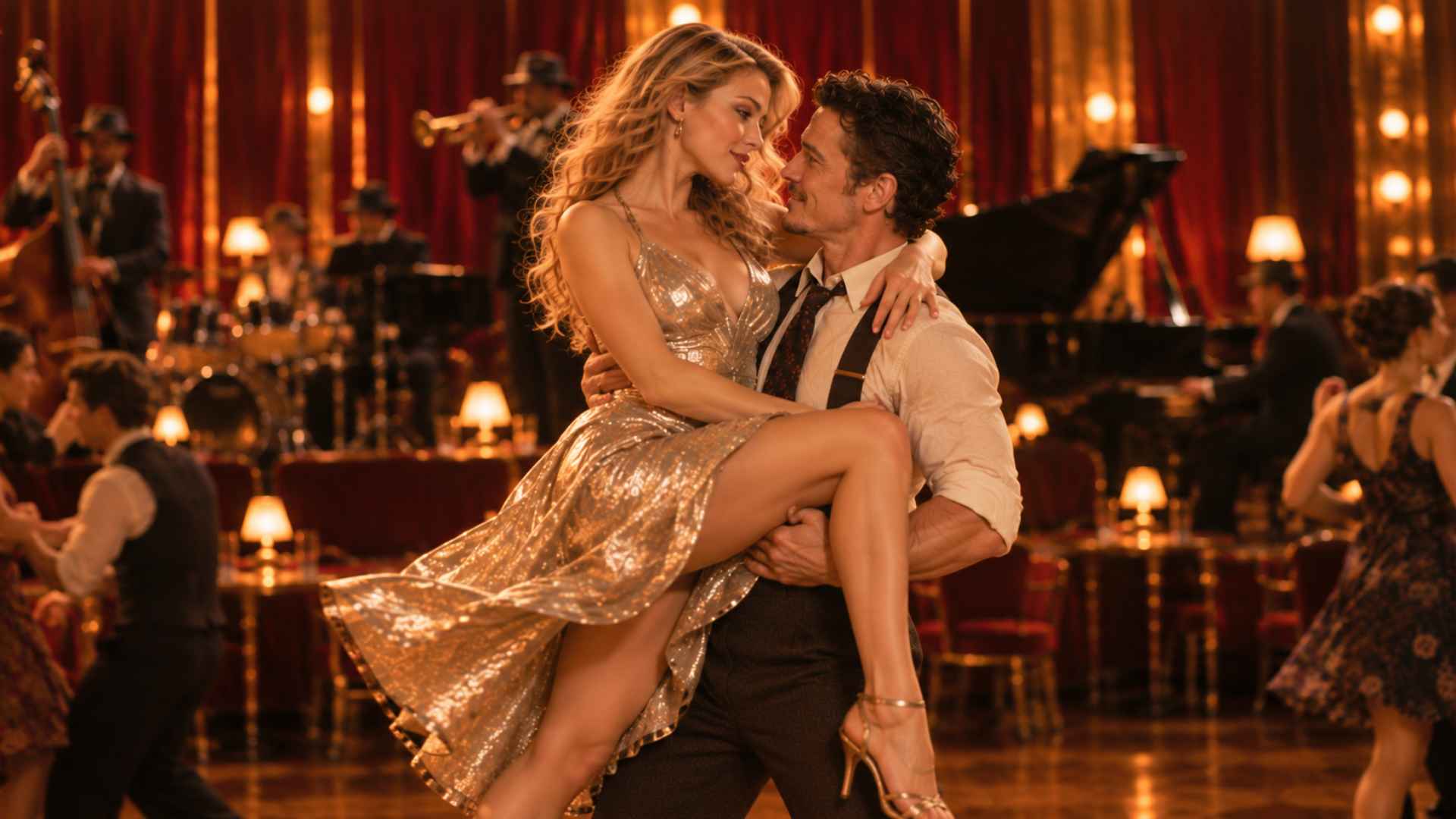
Music has a remarkable ability to bring people together, transform ordinary moments into memorable experiences, and inspire movement without a single spoken invitation. Few musical styles capture this magic as effortlessly as swing music. With its lively rhythms, expressive melodies, and irresistible sense of groove, swing creates an atmosphere where listeners naturally tap their feet, clap their hands, and feel connected to the energy around them. From intimate jazz clubs to grand dance halls, its distinctive sound continues to inspire musicians, dancers, and audiences across generations.
At the heart of this musical tradition lies a joyful relationship between rhythm and movement. The infectious beats of swing music encourage spontaneous dancing, while its playful arrangements leave room for creativity and personal expression. Although swing reached its cultural peak during the big band era of the 1930s and 1940s, its influence remains visible in contemporary jazz, social dancing, and popular entertainment. Understanding the spirit of swing means appreciating not only its musical foundations but also the freedom, optimism, and shared excitement that make this timeless genre so appealing.
The Origins And Evolution Of Swing Music
Swing music developed from earlier jazz traditions in the United States, particularly during the late 1920s and early 1930s. Musicians began emphasizing rhythmic momentum, coordinated ensemble playing, and arrangements that balanced structured compositions with opportunities for improvisation. Big bands became central to this movement, featuring sections of trumpets, trombones, saxophones, and a rhythm section that maintained a steady, propulsive pulse. Leaders such as Duke Ellington, Count Basie, and Benny Goodman helped establish distinctive approaches to swing, bringing sophisticated musical arrangements to enthusiastic audiences in dance halls, theaters, and radio broadcasts.
The genre grew into a major cultural force during the swing era, when live performances and popular recordings encouraged millions of people to dance. Swing music became closely associated with the Lindy Hop, the jitterbug, and other energetic social dances that celebrated athletic movement and improvisation. Its popularity also reflected a broader desire for entertainment, connection, and optimism during challenging historical periods. Over time, changing musical tastes introduced new directions, including bebop and modern jazz, yet swing never disappeared. Its enduring appeal demonstrates how a musical tradition can evolve while preserving the rhythmic character and communal spirit that originally defined it.
What Makes Swing Music So Infectious
The irresistible quality of swing begins with its rhythm. Unlike music built around a rigid, evenly divided pulse, swing creates a distinctive rhythmic feel through the relationship between notes, accents, and phrasing. Drummers maintain momentum with cymbals and snare patterns, upright bass players establish a walking foundation, and piano or guitar chords provide harmonic support. Horn sections add bright melodies, syncopated accents, and memorable musical phrases that invite listeners to respond physically. This interaction creates a sense of forward motion that feels relaxed yet energetic, making swing music equally enjoyable for attentive listening and spontaneous dancing.
The Connection Between Swing Music And Dance
Swing music and dance have developed together, shaping one another through decades of social interaction and artistic experimentation. Dancers interpret rhythmic accents through turns, kicks, footwork, and playful exchanges with their partners, while musicians create arrangements that inspire movement and anticipation. The result is a lively conversation between sound and physical expression, where every performance offers opportunities for individual creativity. Whether experienced in a crowded dance hall or a modern community workshop, swing encourages people to participate rather than remain passive spectators, turning music into a shared celebration of rhythm and connection.
The Lindy Hop And Its Energetic Character
The Lindy Hop emerged in Harlem, New York, during the late 1920s and became one of the most recognizable dances associated with swing music. Combining partnered movements, improvisation, rhythmic variations, and occasional aerial steps in performance settings, this dance reflects the playful energy of the music that inspired it. Dancers respond to musical breaks and accents while maintaining a connection with their partners, allowing each performance to develop naturally. Today, Lindy Hop communities around the world continue to preserve its historical roots while welcoming new interpretations, making it an important part of swing culture and social dance traditions.
Big Band Sounds That Fill The Dance Floor
Big band swing is celebrated for its powerful ensemble sound and carefully balanced arrangements. Multiple horn sections create rich harmonies, dramatic crescendos, and energetic musical exchanges, while the rhythm section keeps dancers moving with a dependable groove. Band leaders often use contrasting textures to build excitement, shifting between full ensemble passages and smaller instrumental combinations. The music of Count Basie is particularly admired for its relaxed rhythmic precision, while Duke Ellington brought distinctive orchestration and compositional sophistication to the genre. These contrasting approaches reveal how swing can sound elegant, playful, dramatic, or exuberant without losing its essential sense of movement.
Improvisation And The Freedom Of Musical Expression
Improvisation gives swing music much of its personality, allowing musicians to respond creatively to melodies, harmonies, and one another’s performances. A saxophone solo might introduce unexpected rhythmic patterns, while a trumpet player adds expressive phrasing or a playful musical quotation. Even within carefully arranged big band compositions, these spontaneous moments create variety and anticipation. This freedom also mirrors the experience of swing dancing, where familiar steps provide a foundation for personal interpretation. By balancing musical discipline with experimentation, swing demonstrates that structure and creativity can coexist, producing performances that feel both cohesive and full of surprises.
Why The Spirit Of Swing Music Still Matters Today
The continuing popularity of swing music reflects its ability to create meaningful social experiences in an increasingly digital world. Contemporary swing festivals, jazz concerts, dance classes, and themed events bring together people of different ages and backgrounds through a shared appreciation of rhythm. Many participants are attracted by the opportunity to move, socialize, and develop new skills in a welcoming environment. Swing dancing can also provide enjoyable physical activity, supporting coordination, balance, and stamina when practiced regularly. Beyond these benefits, the music encourages attentive listening and collaborative expression, reminding audiences that entertainment can be both personally rewarding and socially enriching.
Modern artists continue to reinterpret swing through jazz fusion, neo-swing, contemporary big band arrangements, and combinations with rock, blues, and electronic influences. These creative developments introduce the genre to new audiences while maintaining its defining rhythmic qualities. Vintage-inspired fashion, classic jazz recordings, and online dance communities have also helped sustain interest in swing culture across international borders. Whether someone appreciates the intricate arrangements of a traditional orchestra or the energetic atmosphere of a local dance night, the experience offers an invitation to celebrate music without unnecessary barriers. Infectious beats and happy feet remain powerful symbols of swing’s enduring spirit, proving that its combination of musical craftsmanship, rhythmic excitement, and human connection can continue to inspire generations to come.