
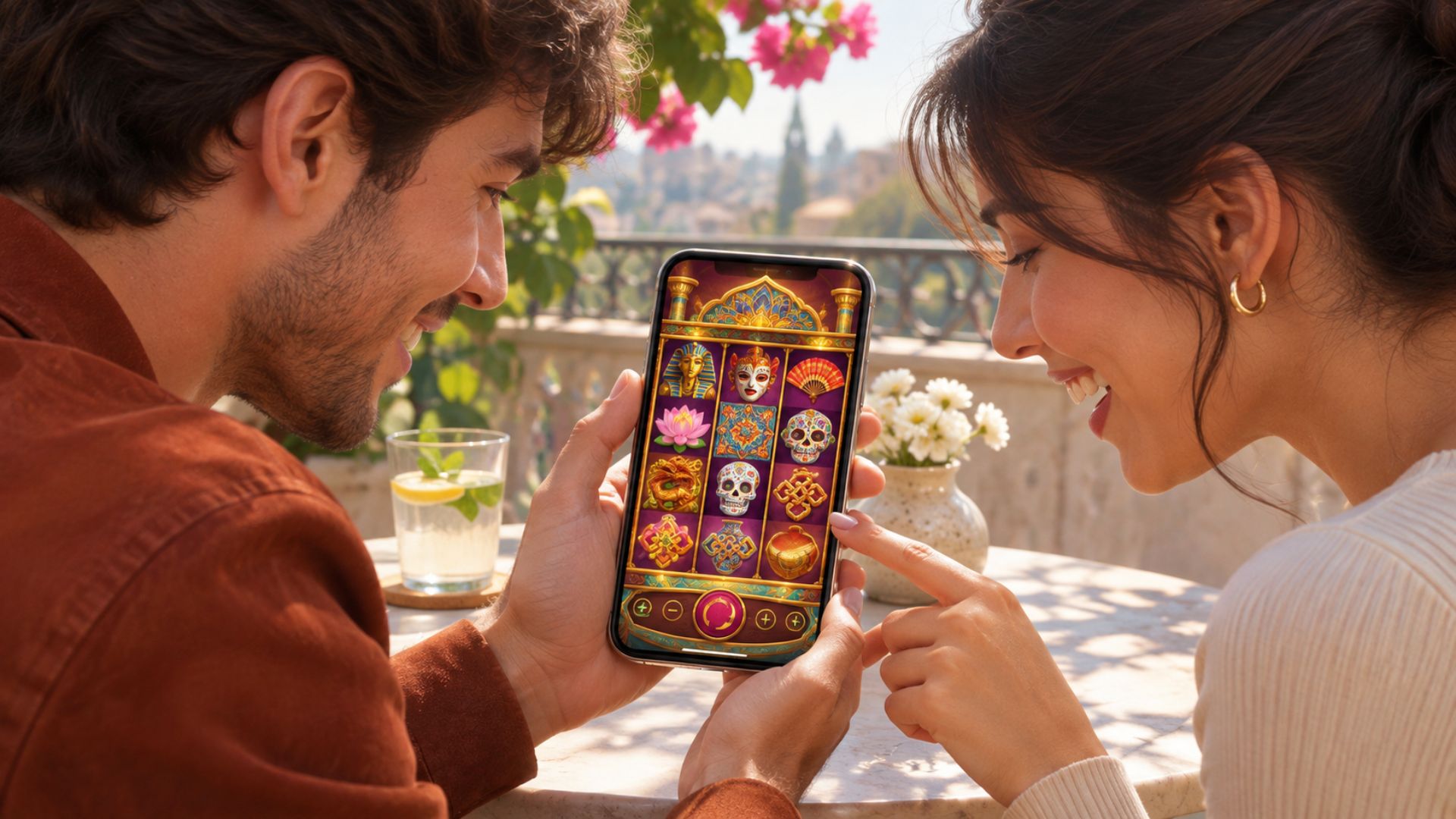
Cultural imagery has long influenced the way people interpret visual stories, from traditional paintings and folk decorations to digital entertainment. In gaming, familiar objects, historical references, and regional patterns often become part of the visual identity of different titles. The use of slot symbols, for instance, goes beyond choosing attractive pictures for reels. Designers often borrow elements from mythology, architecture, festivals, traditional clothing, and everyday cultural objects to create recognizable themes. These visual choices can make a game feel connected to a particular place or tradition, even when its audience comes from different parts of the world. Understanding these influences offers an interesting perspective on how cultural identity can shape digital artwork.
Traditional symbols carry meanings that have developed over generations. Dragons, for example, are associated with strength, prosperity, and good fortune in several East Asian traditions, while ancient Egyptian artwork frequently features scarabs, pharaohs, and hieroglyphic patterns. When these references appear in digital games, their original meanings can influence the overall atmosphere and visual storytelling. Some designers also combine historical imagery with contemporary illustration techniques to make familiar subjects feel suitable for modern screens. This approach helps create visual variety without relying entirely on generic shapes and colors.
Cultural references also affect how audiences recognize and remember particular designs. Festivals, religious architecture, traditional textiles, and regional landscapes provide artists with a broad range of visual inspiration. However, using these elements requires attention to their cultural context. A symbol that represents celebration in one community may carry a different meaning elsewhere. Responsible artwork therefore considers the background of its references rather than treating every traditional object as simple decoration. This attention to detail can make themed entertainment more visually meaningful and respectful.
Traditional Heritage and Symbol Choices in Digital Artwork
Mythology is among the most frequently referenced sources of visual inspiration in gaming. Greek gods, Norse legends, Asian folklore, and ancient Egyptian stories each offer distinctive characters, objects, and color palettes. These references help establish a recognizable setting before players even read the game rules. In an online slot, for example, a collection of mythological symbols may include sacred objects, legendary creatures, and decorative backgrounds inspired by historical artwork. Their arrangement creates a consistent visual language that connects individual images to a broader fictional setting.
Traditional artwork also influences the shapes, textures, and decorative details used in digital illustrations. Floral patterns, geometric ornaments, carved stone surfaces, and embroidered fabrics can give symbols a recognizable regional character. Some slot designs use bright colors associated with festivals, while others adopt earthy shades inspired by historical buildings and natural landscapes. Even small visual details can affect how audiences interpret a theme. Designers must also consider readability because decorative elements should not make important images difficult to recognize on smaller screens.
Visual Design, Cultural Identity, and Symbol Recognition
Color plays an important role in communicating cultural associations. Red may represent prosperity and celebration in certain Asian traditions, while gold often suggests wealth, prestige, or ceremonial importance. These associations can influence the appearance of symbols, backgrounds, and decorative borders. Within a slot interface, clear visual differences between ordinary icons and special symbols help audiences understand the artwork. Features such as scatter symbols, jackpot illustrations, and other highlighted images often receive distinctive colors or animations. Nevertheless, their appearance does not guarantee a particular outcome, since game mechanics determine the actual results.
Artwork also needs to work alongside practical interface information. Reel positions, symbol values, and the payout table should remain easy to understand regardless of the cultural theme. The game rules explain the mechanics, while a bonus trigger identifies conditions for additional features. A scatter pays mechanic, where applicable, should be explained clearly rather than left for players to interpret through artwork alone. Designers may use animation and decorative framing to distinguish these elements, but visual clarity should always take priority over unnecessary ornamentation.
Cultural Artwork in the Changing Digital Gaming Landscape
The presentation of themed slot games continues to develop as technology and audience preferences change. Some Top providers combine traditional illustration with three dimensional environments, cinematic effects, and detailed character artwork. These choices can make historical references feel more immersive while preserving recognizable cultural details. Other studios prefer simpler graphics that emphasize traditional patterns and familiar objects. Both approaches can work when the visual direction remains consistent and the imagery supports the intended theme. Good artwork should also function across different screen sizes without losing important details.
The surrounding platform contributes to the overall presentation as well. Features such as easy navigation, multiple payment methods, easy deposits and withdrawals, secure transactions, and fast loading speed are practical considerations in online Gambling environments. A user friendly interface and mobile friendly design can make information easier to access, while transparent descriptions help distinguish entertainment features from financial conditions. Terms such as real money, big payouts, real payouts, win real cash, and no cheating should never be treated as artistic promises. Likewise, free spins, auto spin, return to player, and rtp percentage describe separate game features that should be presented accurately. A new member bonus does not automatically make a game easy to win or fun to play, and no artwork can guarantee a particular result. References such as สล็อตเว็บตรง may also appear in regional gaming discussions, but responsible communication remains important across markets.
Cultural artwork becomes more meaningful when visual creativity and accurate representation work together. Designers can draw inspiration from traditional celebrations, architecture, mythology, and decorative crafts without losing sight of the communities behind those references. Each illustration should have a clear purpose, whether it establishes a historical setting, communicates a familiar idea, or creates visual distinction between different game elements. Careful research can also prevent cultural symbols from being used in misleading or inappropriate ways. In this sense, digital entertainment offers artists an opportunity to bring traditional visual influences into a different creative environment. The relationship between heritage and digital illustration continues to shape the appearance of gaming content across international audiences. Every carefully selected pattern, character, and decorative object contributes to the identity of a visual theme. When slot artwork draws from cultural traditions with respect and attention to detail, it can communicate more than its basic function as a game interface. The result is a visual presentation that connects familiar cultural references with contemporary digital design while allowing each element to retain its own character.